Country
United States
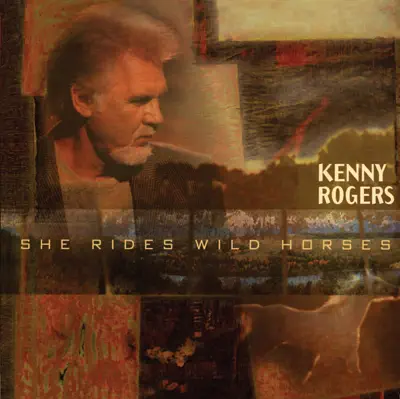
Kenny Rogers
20,459,176
Top Songs on Shazam
This Week
All Time


Latest Release



Shazam Global Chart Top 50 AppearancesAll songs and collaborations from Kenny Rogers that have reached the Top 50 of the Shazam Global Chart
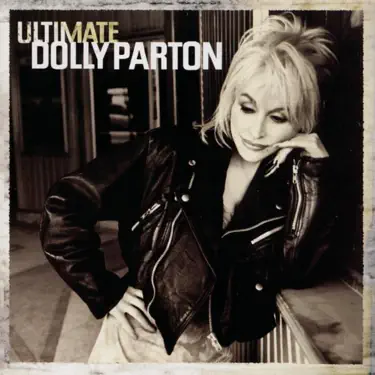
OVERVIEW![Track artwork for track titled Islands In the Stream by Dolly Parton & Kenny Rogers]() Dolly Parton & Kenny Rogers peaked at No. 21 on the Shazam Global Chart with "Islands In the Stream", spending 6 days in the Top 50.
Dolly Parton & Kenny Rogers peaked at No. 21 on the Shazam Global Chart with "Islands In the Stream", spending 6 days in the Top 50.
1Top 50 Entries
6Days in Top 50
SONG
PEAK POSITIONDAYS IN TOP 50TOP 50 DEBUT
The highest position a song reached on the Shazam Global Chart.
The total number of days a song spent in the Top 50 of the Shazam Global Chart. These days may have been non-consecutive.
The date a song first entered the Top 50 of the Shazam Global Chart.

Dolly Parton & Kenny Rogers
#216Aug 27, 2026
"Islands In the Stream" by Dolly Parton & Kenny Rogers climbed to No. 21 on the Shazam Global Chart, spending 6 day(s) in the Top 50.
Released
1983Total Shazams
5M
Days in Top 50
6The total number of days a song spent in the Top 50 of the Shazam Global Chart. These days may have been non-consecutive.
Top 50 Debut
Aug 27, 2026"Islands In the Stream" by Dolly Parton & Kenny Rogers climbed to No. 21 on the Shazam Global Chart, spending 6 day(s) in the Top 50.
Released
1983Total Shazams
5M
Days in Top 50
6The total number of days a song spent in the Top 50 of the Shazam Global Chart. These days may have been non-consecutive.
Top 50 Debut
Aug 27, 2026Kenny Rogers's Popular Music Videos


About Kenny Rogers

Kenny Rogers used to say he had two kinds of songs: ballads that capture what men want to say and women want to hear, and stories that put a listener in a place. That’s one way to explain selling 100 million albums or so. Another is that Rogers—handsome, genial, husky-voiced, and bushy-bearded—was just the kind of guy people liked to listen to and look at, a natural entertainer who split the difference between the earthiness of country and the sophistication of pop and adult contemporary. Someone for that eight-to-80 demographic. By the time he passed—on March 20, 2020, at age 81—he’d been recording for more than 60 years.
Born in 1938 and raised one of eight kids in a Houston housing project, Rogers had his musical epiphany at 12, watching Ray Charles live—it seemed cool, he thought, to have everyone clap when you sang and laugh when you talked. He started his first band, the Scholars, in high school, with a guitar bought using busboy tips. (The name was aspirational, Rogers said later—they were C students at best.) After stints playing upright bass in a jazz trio and folk-pop with The New Christy Minstrels, Rogers formed The First Edition, whose biggest tracks—most notably “Just Dropped In (To See What Condition My Condition Was In),” which you’d probably recognize from its use in The Big Lebowski—mixed light psychedelia with country and R&B.
By the end of the band’s run, Rogers was scraping by as a pitchman for a home guitar course and closing in on 40. Enter “Lucille,” which Rogers’ manager figured would either be laughed off as a novelty or take over country music. You know how that one broke. He went on to become one of country music’s first and biggest mainstream superstars, an arena-packing presence who paved the way for artists such as Shania Twain and Garth Brooks, reshaping our sense of what country was and how it figured into the pop landscape. His biggest songs—“The Gambler,” “Lady,” the Dolly Parton duet “Islands in the Stream”—remain the stock-in-trade of karaoke nights and television ads, the kind of music one learns not by discovery but by cultural osmosis. (That Rogers also figured out how to act—including starring in a series of made-for-TV movies based on “The Gambler”—didn’t hurt; he said all he had to do was be himself in different clothes.) Mellow as the music is, and modest as he was about it, Rogers also broke down boundaries and cleared the way for new combinations of sounds and styles—a chance he took on his inspiration and won. A gamble, you could say.
Born in 1938 and raised one of eight kids in a Houston housing project, Rogers had his musical epiphany at 12, watching Ray Charles live—it seemed cool, he thought, to have everyone clap when you sang and laugh when you talked. He started his first band, the Scholars, in high school, with a guitar bought using busboy tips. (The name was aspirational, Rogers said later—they were C students at best.) After stints playing upright bass in a jazz trio and folk-pop with The New Christy Minstrels, Rogers formed The First Edition, whose biggest tracks—most notably “Just Dropped In (To See What Condition My Condition Was In),” which you’d probably recognize from its use in The Big Lebowski—mixed light psychedelia with country and R&B.
By the end of the band’s run, Rogers was scraping by as a pitchman for a home guitar course and closing in on 40. Enter “Lucille,” which Rogers’ manager figured would either be laughed off as a novelty or take over country music. You know how that one broke. He went on to become one of country music’s first and biggest mainstream superstars, an arena-packing presence who paved the way for artists such as Shania Twain and Garth Brooks, reshaping our sense of what country was and how it figured into the pop landscape. His biggest songs—“The Gambler,” “Lady,” the Dolly Parton duet “Islands in the Stream”—remain the stock-in-trade of karaoke nights and television ads, the kind of music one learns not by discovery but by cultural osmosis. (That Rogers also figured out how to act—including starring in a series of made-for-TV movies based on “The Gambler”—didn’t hurt; he said all he had to do was be himself in different clothes.) Mellow as the music is, and modest as he was about it, Rogers also broke down boundaries and cleared the way for new combinations of sounds and styles—a chance he took on his inspiration and won. A gamble, you could say.
Influenced by Kenny RogersKenny Rogers has influenced the music of Paul Overstreet, Steve Wariner, Bubba James and more.







Similar to: Kenny Rogers
Discover more music and artists similar to Kenny Rogers, like Dolly Parton, Lionel Richie, Kenny Rogers & The First Edition