R&B/Soul
Italy
Change
3,466,453


About Change

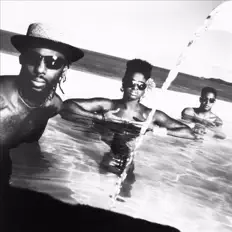
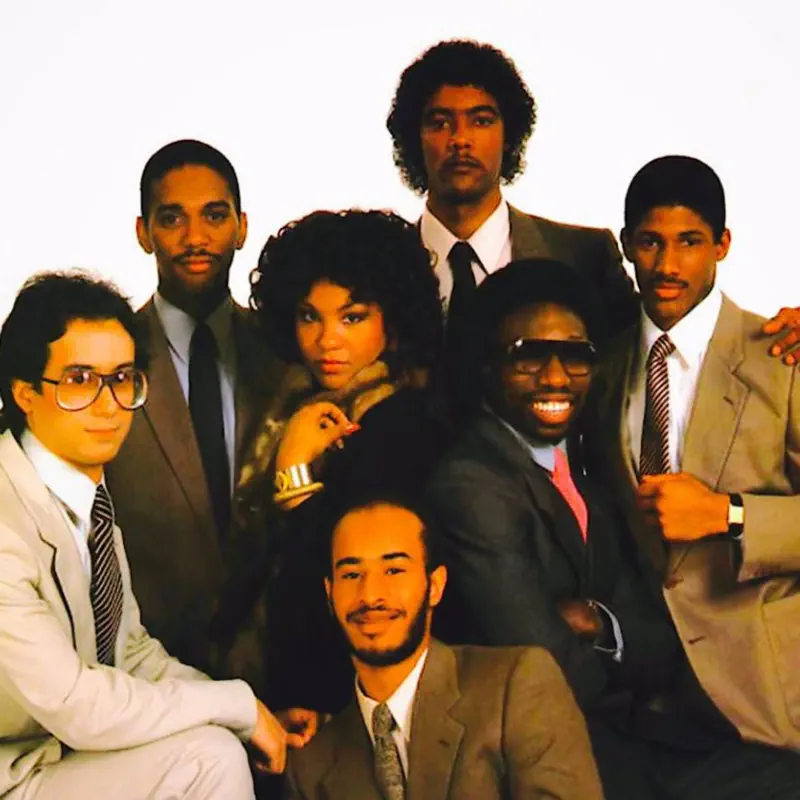
European-American collaborations were not uncommon during the disco and post-disco eras. Donna Summer's work with Giorgio Moroder and Pete Bellotte was most prominent and groundbreaking, while Change was among the most noteworthy -- yet somewhat overlooked -- international acts to spring up during the early ‘80s. Driven by Guadeloupian producer Jacques Fred Petrus and Italian partner Mario Malavasi, Change is most commonly associated with “The Glow of Love,” a 1980 single featuring Luther Vandross over a wistful Chic-like production. Through a series of minor transformations -- a shifting array of vocalists and behind-the-scenes associates -- the group released 11 other charting singles from 1980 through 1985, as well as six charting albums, two of which peaked in the Top Ten of Billboard’s R&B Albums chart.
When Petrus and Malavasi conceptualized Change, they had several projects under their belts, including Macho, Midnight Band, Revanche, and Peter Jacques Band. They brought in guitarist Paolo Gianolio and bassist Davide Romani, composed instrumentals, then looked to the U.S. for an impressive crop of lyricists and vocalists -- Wayne Garfield (Roy Ayers, Candi Staton), Tanyayette Willoughby (Twennynine), Jocelyn Brown (Musique, Inner Life), and Luther Vandross (Chic, Gregg Diamond Bionic Boogie). The result, Glow of Love, reached number ten on the R&B chart, driven by “Glow of Love” and “Searching” (with Vandross as lead vocalist, just prior to his solo breakthrough), “Angel in My Pocket” (a fusion of electronic Italo disco and Chic-style elegance led by Brown), and “A Lover’s Holiday” (boasting the type of snappy, upbeat group vocal that became a Petrus trademark through productions for High Fashion, the B.B. & Q. Band, and the Ritchie Family).
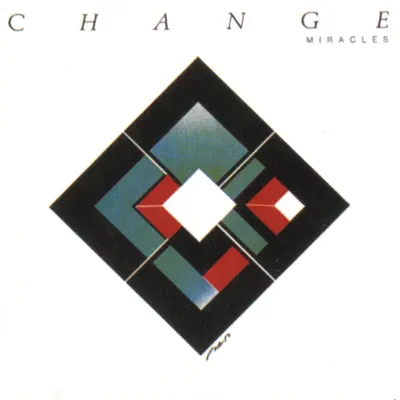
Some of the material for the group’s second album was written with Vandross in mind, but the singer and Petrus could not agree on contract issues, allowing James “Crab” Robinson -- who had recorded with Lonnie Liston Smith, Norman Connors, and Michal Urbaniak -- to enter the fold as a lead vocalist. While Vandross was still present in the background, Robinson was showcased, as was an assortment of females that included Brown (then credited as Jocelyn Shaw), Diva Gray, and Ullanda McCullough. That album, Miracles, was released in 1981 and repeated Glow of Love's feat, managing to top out at number nine with a relatively unique sound -- remarkably sleek, yet rhythmically robust -- highlighted by the number one club-chart triad “Paradise,” “Hold Tight,” and “Heaven of My Life.”
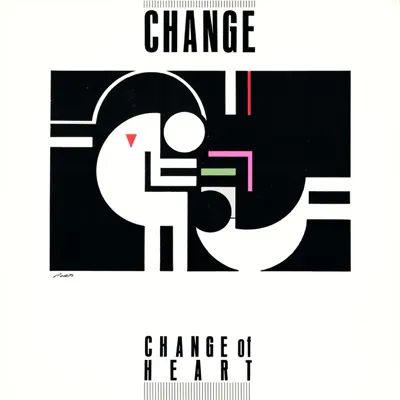
Compared to the group’s first two albums, Sharing Your Love (1982) and This Is Your Time (1983) were holding-pattern releases without a great deal of progression, though minor hits were spun off from both sets. Malavasi, Romani, and Robinson departed. Petrus responded in a shrewd way by hiring ex-Time members Jimmy Jam and Terry Lewis, who were just starting to hit their stride with the S.O.S. Band and Cheryl Lynn, to produce 1984’s Change of Heart. The title song, featuring Deborah Cooper, reached number seven on the R&B chart, while newer fellow member Rick Brennan was used to best effect on “You Are My Melody,” a midtempo song that didn’t chart in the U.S. but stands among the group’s best output.
Timmy Allen, who also had a hand in the writing and production of Change of Heart, wrote three-fourths of 1985’s Turn on Your Radio and co-produced the album with Petrus. Its singles did not perform well, though there was some solid material, such as “Mutual Attraction” -- a song that could have held its own beside some of the year’s most advanced R&B, from Maze’s “Twilight” to Loose Ends' “Magic Touch.” Other songs, like the ballad “You’ll Always Be Part of Me,” resembled Jam and Lewis/S.O.S. Band outtakes. It would be the group’s last recording under the guidance of Petrus; the producer was murdered in 1987 at his Guadeloupe villa by a disgruntled tourist who, earlier that evening, had been denied entrance into Petrus’ night club. A few years later, Romani and a handful of fellow producers and musicians made another Change album -- a set of adequate, sophisticated, turn-of-the-‘90s R&B with some club grooves -- but it was shelved and didn’t see release until 2009 as Change Your Mind. The group’s 1980-1985 releases were reissued in a number of forms throughout the ‘90s and 2000s via labels like Rhino, Wounded Bird, and BBR. ~ Andy Kellman
When Petrus and Malavasi conceptualized Change, they had several projects under their belts, including Macho, Midnight Band, Revanche, and Peter Jacques Band. They brought in guitarist Paolo Gianolio and bassist Davide Romani, composed instrumentals, then looked to the U.S. for an impressive crop of lyricists and vocalists -- Wayne Garfield (Roy Ayers, Candi Staton), Tanyayette Willoughby (Twennynine), Jocelyn Brown (Musique, Inner Life), and Luther Vandross (Chic, Gregg Diamond Bionic Boogie). The result, Glow of Love, reached number ten on the R&B chart, driven by “Glow of Love” and “Searching” (with Vandross as lead vocalist, just prior to his solo breakthrough), “Angel in My Pocket” (a fusion of electronic Italo disco and Chic-style elegance led by Brown), and “A Lover’s Holiday” (boasting the type of snappy, upbeat group vocal that became a Petrus trademark through productions for High Fashion, the B.B. & Q. Band, and the Ritchie Family).
Some of the material for the group’s second album was written with Vandross in mind, but the singer and Petrus could not agree on contract issues, allowing James “Crab” Robinson -- who had recorded with Lonnie Liston Smith, Norman Connors, and Michal Urbaniak -- to enter the fold as a lead vocalist. While Vandross was still present in the background, Robinson was showcased, as was an assortment of females that included Brown (then credited as Jocelyn Shaw), Diva Gray, and Ullanda McCullough. That album, Miracles, was released in 1981 and repeated Glow of Love's feat, managing to top out at number nine with a relatively unique sound -- remarkably sleek, yet rhythmically robust -- highlighted by the number one club-chart triad “Paradise,” “Hold Tight,” and “Heaven of My Life.”
Compared to the group’s first two albums, Sharing Your Love (1982) and This Is Your Time (1983) were holding-pattern releases without a great deal of progression, though minor hits were spun off from both sets. Malavasi, Romani, and Robinson departed. Petrus responded in a shrewd way by hiring ex-Time members Jimmy Jam and Terry Lewis, who were just starting to hit their stride with the S.O.S. Band and Cheryl Lynn, to produce 1984’s Change of Heart. The title song, featuring Deborah Cooper, reached number seven on the R&B chart, while newer fellow member Rick Brennan was used to best effect on “You Are My Melody,” a midtempo song that didn’t chart in the U.S. but stands among the group’s best output.
Timmy Allen, who also had a hand in the writing and production of Change of Heart, wrote three-fourths of 1985’s Turn on Your Radio and co-produced the album with Petrus. Its singles did not perform well, though there was some solid material, such as “Mutual Attraction” -- a song that could have held its own beside some of the year’s most advanced R&B, from Maze’s “Twilight” to Loose Ends' “Magic Touch.” Other songs, like the ballad “You’ll Always Be Part of Me,” resembled Jam and Lewis/S.O.S. Band outtakes. It would be the group’s last recording under the guidance of Petrus; the producer was murdered in 1987 at his Guadeloupe villa by a disgruntled tourist who, earlier that evening, had been denied entrance into Petrus’ night club. A few years later, Romani and a handful of fellow producers and musicians made another Change album -- a set of adequate, sophisticated, turn-of-the-‘90s R&B with some club grooves -- but it was shelved and didn’t see release until 2009 as Change Your Mind. The group’s 1980-1985 releases were reissued in a number of forms throughout the ‘90s and 2000s via labels like Rhino, Wounded Bird, and BBR. ~ Andy Kellman
Similar to: Change
Discover more music and artists similar to Change, like D Train, The B. B. & Q. Band, Kashif