Rock
England
Oasis
49,094,807
On Tour


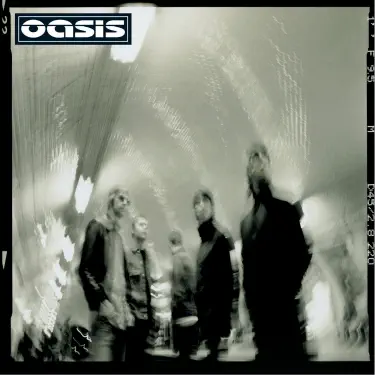

Shazam Global Chart Top 50 AppearancesAll songs and collaborations from Oasis that have reached the Top 50 of the Shazam Global Chart
OVERVIEW![Track artwork for track titled Wonderwall by Oasis]() Oasis peaked at No. 8 on the Shazam Global Chart with "Wonderwall", spending 22 days in the Top 50.
Oasis peaked at No. 8 on the Shazam Global Chart with "Wonderwall", spending 22 days in the Top 50.
1Top 50 Entries

22Days in Top 50
SONG
PEAK POSITIONDAYS IN TOP 50TOP 50 DEBUT
The highest position a song reached on the Shazam Global Chart.
The total number of days a song spent in the Top 50 of the Shazam Global Chart. These days may have been non-consecutive.
The date a song first entered the Top 50 of the Shazam Global Chart.

Oasis
#822Jul 6, 2026
"Wonderwall" by Oasis peaked at No. 8 on the Shazam Global Chart, where the song spent a total of 22 day(s) in the Top 50.
Released
1995Total Shazams
14M
Days in Top 50
22The total number of days a song spent in the Top 50 of the Shazam Global Chart. These days may have been non-consecutive.
Top 50 Debut
Jul 6, 2026"Wonderwall" by Oasis peaked at No. 8 on the Shazam Global Chart, where the song spent a total of 22 day(s) in the Top 50.
Released
1995Total Shazams
14M
Days in Top 50
22The total number of days a song spent in the Top 50 of the Shazam Global Chart. These days may have been non-consecutive.
Top 50 Debut
Jul 6, 2026


Artist Playlists




About Oasis

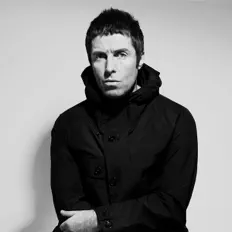
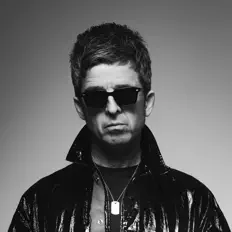
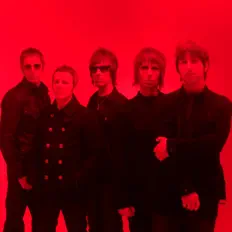
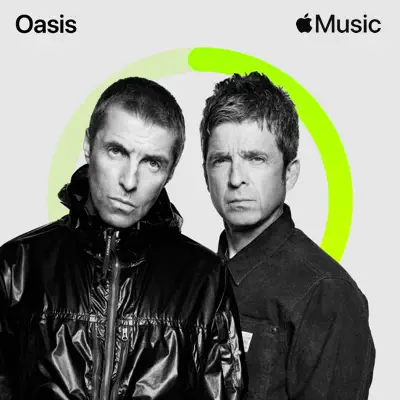
Some groups spend years chasing stardom, and others seem to just instantly will it into existence. The latter was certainly the case with Manchester’s Oasis, who named the first song on their first album “Rock ’n’ Roll Star” as if their fate were preordained. Arriving in the midst of the peak alt-rock era, Oasis’ 1994 debut, Definitely Maybe, was a bird-flipping retort to the navel-gazing angst of grunge, rolling the melodicism of The Beatles, the swagger of T. Rex, the sneer of the Sex Pistols, and the strobe-lit grooves of The Stone Roses into alternately sleazy (“Cigarettes & Alcohol”) and celebratory (“Live Forever”) pint-raising anthems. And it wasn’t just the group’s sound that harkened back to the glory days of British rock—in the simmering tension between the guitarist who wrote all the tunes (Noel Gallagher) and the singer who brought them to life (his braggadocious brother Liam), Oasis came prepackaged with a sibling-rivalry soap opera to rival that of The Kinks.
Definitely Maybe’s No. 1 debut on the UK charts turned Oasis into the ubiquitous bad boys of Britpop, an image they gleefully indulged through their tabloid-baiting pissing matches with London’s Blur, the art-school antithesis of the Gallaghers’ working-class laddism. But with 1995’s follow-up, (What’s the Story) Morning Glory?, Oasis shed the Union Jack trappings to become the only English band of the era to match their domestic success in the US, thanks to karaoke-ready sing-alongs like “Wonderwall” and “Don’t Look Back in Anger.” With more than 20 million copies sold worldwide, Morning Glory effectively turned Oasis into an institution, one that would continue to sell out arenas for years to come (even after 1997’s infamously over-the-top Be Here Now signaled the end of Britpop’s pop-cultural dominance). The Gallaghers’ ever-fraught relationship would sink Oasis in 2009, but the enduring, cross-generational appeal of their most popular songs—with “Wonderwall” ranking among the most-streamed tracks of the ’90s—ensures a legacy that will live forever. In 2024, the Gallaghers announced a 2025 worldwide reunion tour, claiming reconciliation on social media: “The guns have fallen silent. The stars have aligned. The great wait is over.”
Definitely Maybe’s No. 1 debut on the UK charts turned Oasis into the ubiquitous bad boys of Britpop, an image they gleefully indulged through their tabloid-baiting pissing matches with London’s Blur, the art-school antithesis of the Gallaghers’ working-class laddism. But with 1995’s follow-up, (What’s the Story) Morning Glory?, Oasis shed the Union Jack trappings to become the only English band of the era to match their domestic success in the US, thanks to karaoke-ready sing-alongs like “Wonderwall” and “Don’t Look Back in Anger.” With more than 20 million copies sold worldwide, Morning Glory effectively turned Oasis into an institution, one that would continue to sell out arenas for years to come (even after 1997’s infamously over-the-top Be Here Now signaled the end of Britpop’s pop-cultural dominance). The Gallaghers’ ever-fraught relationship would sink Oasis in 2009, but the enduring, cross-generational appeal of their most popular songs—with “Wonderwall” ranking among the most-streamed tracks of the ’90s—ensures a legacy that will live forever. In 2024, the Gallaghers announced a 2025 worldwide reunion tour, claiming reconciliation on social media: “The guns have fallen silent. The stars have aligned. The great wait is over.”
Influenced by OasisOasis has influenced the music of WOOSEOK, beaux, Good Grief and more.



Similar to: Oasis
Discover more music and artists similar to Oasis, like Liam Gallagher, Noel Gallagher's High Flying Birds, Beady Eye