


Featured In
![Listen to The Beatles 1962–1966 (2023 Edition) [The Red Album] by The Beatles](https://is1-ssl.mzstatic.com/image/thumb/Music116/v4/7d/1d/99/7d1d9988-88df-70cb-3433-896eda047002/23UM1IM18073.rgb.jpg/1380x1380bb.webp "Listen to The Beatles 1962–1966 (2023 Edition) [The Red Album] by The Beatles")
Albums by The Beatles



The Beatles's Popular Music Videos

Abbey Road (Documentary)
The Beatles

Rubber Soul (Documentary)
The Beatles

Revolver (Documentary)
The Beatles
![Watch Now And Then - The Last Beatles Song (Short Film) [Trailer] music video by The Beatles](https://is1-ssl.mzstatic.com/image/thumb/Video116/v4/25/31/26/2531266a-e368-95cc-34a2-7dde25a19bbf/23UM1IM16692.crop.jpg/575x575mv.webp "Watch Now And Then - The Last Beatles Song (Short Film) [Trailer] music video by The Beatles")
Now And Then - The Last Beatles Song (Short Film) [Trailer]
The Beatles

The Beatles (Documentary)
The Beatles

Sgt. Pepper's Lonely Hearts Club Band (Documentary)
The Beatles

Magical Mystery Tour (Documentary)
The Beatles

Let It Be (Documentary)
The Beatles

Help! (Documentary)
The Beatles

A Hard Day's Night (Documentary)
The Beatles
Artist Playlists
The Beatles Essentials
John. Paul. George. Ringo. Get acquainted with the world's most influential band.

The Beatles Video Essentials
Pop's greatest group share an infectious visual chemistry.

The Beatles: Love Songs
Fall head over heels with the lads from Liverpool.

The Beatles: Fitness+ Spotlight
You can work (it) out, with upbeat, exercise-friendly tracks from the Fab Four.

The Beatles: Deep Cuts
From the edges of their emotional and musical range.

The Beatles: Top 100 Songs
Hear the most-played Fab Four songs on Apple Music.
The Beatles: Chill
Lean back and relax with some of their mellowest cuts.

Inspired by The Beatles (a.k.a. The White Album)
This album's musical and cultural impact can't be overstated.

Inspired by Rubber Soul
The newly mature Fabs inspired generations of fans.

Inspired by Beatlemania
Echoes of the Fab Four are still all around us.

Artist Biography
One thing you have to remember about The Beatles is that there was no Beatles before The Beatles. No model for a white band that credibly mixed early rock with real R&B. No model for performers who wrote their own material instead of vocalizing others’. No model for a band that could be both popular and truly progressive, whose new releases weren’t just products but evolutionary leaps in what the form was capable of. Before The Beatles, you had pop music and you had art; after The Beatles, the idea that you could get both in a single three-minute shot—a mirror of a similar shift in painting and visual art—became commonplace, even expected. If “I Want to Hold Your Hand” and “Please Please Me” made the competition look quaint, “Strawberry Fields Forever” and “Tomorrow Never Knows” made it look obsolete, stone bowls in an era of cupped hands. They were around for 10 years, and the culture has been reeling ever since.
Formed in Liverpool, England, in 1960, the band—John Lennon, Paul McCartney, George Harrison, and Ringo Starr (the replacement for Pete Best)—didn’t have big plans at first. In 1962, they were still ducking beer bottles at late-night shows in Hamburg; six months later, “Beatlemania“ was a safety concern. How the band found time to grow is hard to fathom: Listen back to that opening chord on “A Hard Day’s Night” or the proto-psychedelic vibe of “Ticket to Ride,” and you can already hear them pushing against the confines of pop’s sound and form.
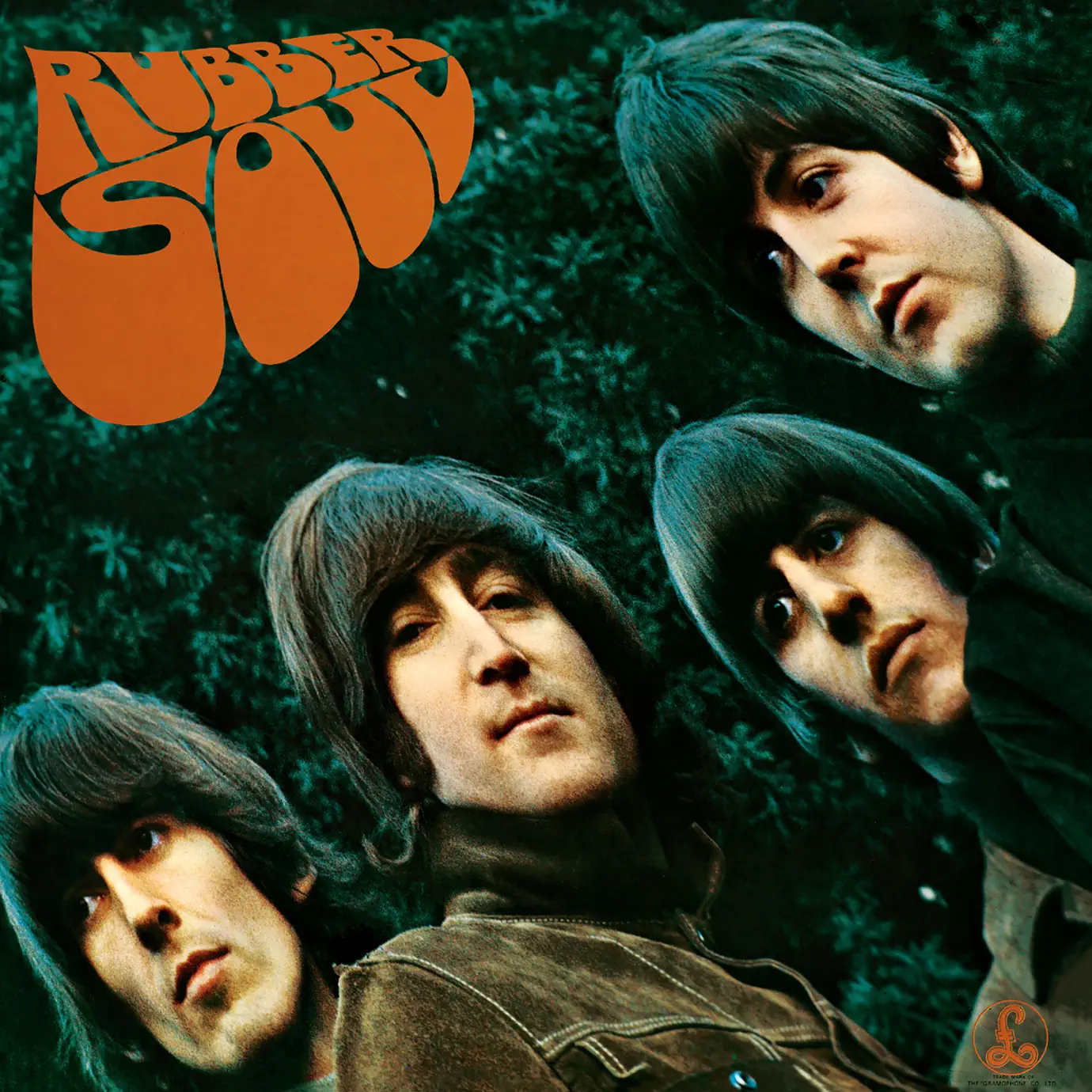
By the mid-’60s, they’d become ambassadors for the counterculture, tackling subjects—drugs, Eastern spirituality, the limits of consciousness—nobody had bothered thinking about in the mainstream before. In the hands of producer George Martin, they also became one of the first bands to use the studio as an instrument, creating works whose density and complexity (revisit anything from 1966’s Revolver to 1968’s “The White Album”) couldn’t be replicated onstage—innovations that, incidentally, coincided with the band’s retirement from touring.
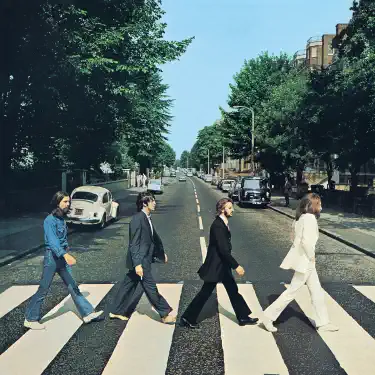
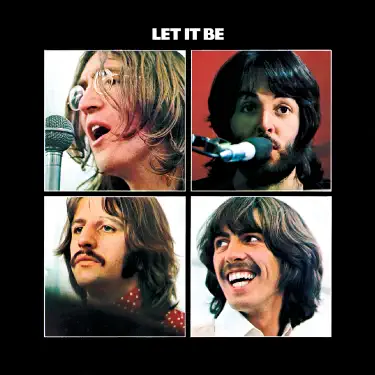
Late Beatles albums—Abbey Road and the “posthumous” Let It Be—were lived-in, almost folksy affairs, the loose victory laps of a band with nothing left to prove. Given the pressure and intensity that surrounded them, it’s almost amazing they lasted as long as they did. They played their final show on the rooftop of the building for their multimedia company, Apple Corps, in January 1969, ending with Lennon’s famous parting words: “I’d like to say thank you on behalf of the group and ourselves, and I hope we’ve passed the audition.”
Formed in Liverpool, England, in 1960, the band—John Lennon, Paul McCartney, George Harrison, and Ringo Starr (the replacement for Pete Best)—didn’t have big plans at first. In 1962, they were still ducking beer bottles at late-night shows in Hamburg; six months later, “Beatlemania“ was a safety concern. How the band found time to grow is hard to fathom: Listen back to that opening chord on “A Hard Day’s Night” or the proto-psychedelic vibe of “Ticket to Ride,” and you can already hear them pushing against the confines of pop’s sound and form.
By the mid-’60s, they’d become ambassadors for the counterculture, tackling subjects—drugs, Eastern spirituality, the limits of consciousness—nobody had bothered thinking about in the mainstream before. In the hands of producer George Martin, they also became one of the first bands to use the studio as an instrument, creating works whose density and complexity (revisit anything from 1966’s Revolver to 1968’s “The White Album”) couldn’t be replicated onstage—innovations that, incidentally, coincided with the band’s retirement from touring.
Late Beatles albums—Abbey Road and the “posthumous” Let It Be—were lived-in, almost folksy affairs, the loose victory laps of a band with nothing left to prove. Given the pressure and intensity that surrounded them, it’s almost amazing they lasted as long as they did. They played their final show on the rooftop of the building for their multimedia company, Apple Corps, in January 1969, ending with Lennon’s famous parting words: “I’d like to say thank you on behalf of the group and ourselves, and I hope we’ve passed the audition.”
Hometown
Liverpool, England
Genre
Rock


