Rock
England
The Clash
23,468,176
Top Songs on Shazam
This Week
All Time


Shazam Global Chart Top 50 AppearancesAll songs and collaborations from The Clash that have reached the Top 50 of the Shazam Global Chart
OVERVIEW The Clash peaked at No. 44 on the Shazam Global Chart with "Should I Stay or Should I Go", spending 3 days in the Top 50.
1Top 50 Entries
3Days in Top 50
SONG
PEAK POSITIONDAYS IN TOP 50TOP 50 DEBUT
The highest position a song reached on the Shazam Global Chart.
The total number of days a song spent in the Top 50 of the Shazam Global Chart. These days may have been non-consecutive.
The date a song first entered the Top 50 of the Shazam Global Chart.

The Clash
#443Dec 2, 2025
"Should I Stay or Should I Go" by The Clash peaked at No. 44 on the Shazam Global Chart, where the song spent a total of 3 day(s) in the Top 50.
Album
Combat RockReleased
1982Total Shazams
7M
Days in Top 50
3The total number of days a song spent in the Top 50 of the Shazam Global Chart. These days may have been non-consecutive.
Top 50 Debut
Dec 2, 2025"Should I Stay or Should I Go" by The Clash peaked at No. 44 on the Shazam Global Chart, where the song spent a total of 3 day(s) in the Top 50.
Album
Combat RockReleased
1982Total Shazams
7M
Days in Top 50
3The total number of days a song spent in the Top 50 of the Shazam Global Chart. These days may have been non-consecutive.
Top 50 Debut
Dec 2, 2025The Clash's Popular Music Videos


Artist Playlists


About The Clash

Political punk as we know it was born in 1976, when guitarist Mick Jones, bassist Paul Simonon, and drummer Terry Chimes of pub rock group London SS recruited guitarist Keith Levene and guitarist/vocalist Joe Strummer to form a new band. Named The Clash, their first concert was supporting the Sex Pistols, a pairing that set the ideological goalposts for British punk with the Sex Pistols bringing the destruction and The Clash providing the social conscience. The band, which quickly dropped Levene and replaced Chimes with Topper Headon, found lyrical inspiration in the headlines, blending explosive rock guitars and beats gathered from around the world with an ideology that was anti-fascist, anti-violence, and anti-racist. Their adrenaline-fueled early records (1977’s The Clash and 1978’s Give ‘Em Enough Rope) gave way to the reggae-inspired rebel music of 1979’s London Calling and disco experiments of 1980’s Sandinista!, which were then streamlined into the platinum-selling anthems of 1982’s Combat Rock. The common thread running through these ever-shifting styles was the group’s condemnation of England’s growing authoritarianism. Burning so bright, hard, and fast, it was only inevitable that they’d soon implode. By 1983, Headon and Jones had been ousted from the group while Strummer and Simonon soldiered on through the release of 1985’s Cut the Crap. The Clash broke up the following year, leaving a legacy of in-your-face rebel rock for the ages. Their words still show up on protest signs, their influence is heard in pop-punk and politically conscious bands like U2 and Pearl Jam, and their songs are still mandatory listening for conscious punks worldwide.
Influenced by The ClashThe Clash has influenced the music of Circle Jerks, Spiritual Cramp, Jamie T and more.







Similar to: The Clash
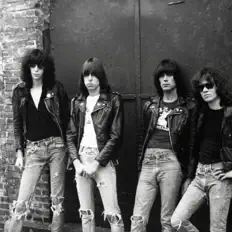
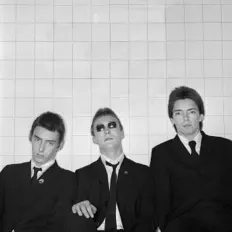
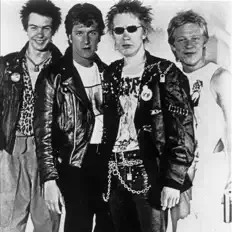
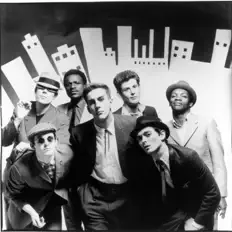
Discover more music and artists similar to The Clash, like Ramones, The Jam, Sex Pistols