Hip-Hop/Rap
United States
Dr. Dre
Top-Songs auf Shazam
Diese Woche
Alle Zeiten




![Hör dir The Recipe (feat. Dr. Dre) [Bonus Track] von Kendrick Lamar an, entdecke den Songtext, das Musikvideo & und mehr!](https://is1-ssl.mzstatic.com/image/thumb/Music122/v4/ca/5b/c0/ca5bc0b3-d81d-cc6c-0d19-54b9eedb6dbd/12UMGIM52990.rgb.jpg/375x375bb.webp "Hör dir The Recipe (feat. Dr. Dre) [Bonus Track] von Kendrick Lamar an, entdecke den Songtext, das Musikvideo & und mehr!")


Top-50-Platzierungen in den globalen Charts von ShazamAlle Songs und Kollaborationen von Dr. Dre, die es in die Top 50 der globalen Charts von Shazam geschafft haben
SONG-INFO![Titel-Artwork für den Titel Still D.R.E. (feat. Snoop Dogg) von Dr. Dre]()
![Titel-Artwork für den Titel The Next Episode (feat. Snoop Dogg) von Dr. Dre]()
![Titel-Artwork für den Titel California Love (feat. Roger Troutman & Dr. Dre) von 2Pac]() Dr. Dre hat 3 Songs in den Top 50 der globalen Charts von Shazam platziert und dabei Platz 2 erreicht! Insgesamt hat Dr. Dre 70 Tage in den Charts verbracht.
Dr. Dre hat 3 Songs in den Top 50 der globalen Charts von Shazam platziert und dabei Platz 2 erreicht! Insgesamt hat Dr. Dre 70 Tage in den Charts verbracht.
3Top-50-Einträge


70Tage in den Top 50
SONG
SPITZENPOSITIONTAGE IN DEN TOP 50TOP-50-DEBÜT
Die höchste Platzierung, die ein Song in den globalen Charts von Shazam erreicht hat.
Die Gesamtzahl der Tage, an denen ein Song in den Top 50 der globalen Charts von Shazam war. Diese Tage waren möglicherweise nicht aufeinander folgend.
Das Datum, an dem ein Song zum ersten Mal in die Top 50 der globalen Charts von Shazam einstieg.

#21214. Feb. 2022
„Still D.R.E. (feat. Snoop Dogg)“ von Dr. Dre erreichte Platz 2 in den globalen Charts von Shazam, wo der Song insgesamt 12 Tag(e) in den Top 50 verbrachte.
Album
2001Veröffentlicht:
1999Gesamtzahl der Shazams
13 Mio.
Tage in den Top 50
12Die Gesamtzahl der Tage, an denen ein Song in den Top 50 der globalen Charts von Shazam war. Diese Tage waren möglicherweise nicht aufeinander folgend.
Top-50-Debüt
14. Feb. 2022„Still D.R.E. (feat. Snoop Dogg)“ von Dr. Dre erreichte Platz 2 in den globalen Charts von Shazam, wo der Song insgesamt 12 Tag(e) in den Top 50 verbrachte.
Album
2001Veröffentlicht:
1999Gesamtzahl der Shazams
13 Mio.
Tage in den Top 50
12Die Gesamtzahl der Tage, an denen ein Song in den Top 50 der globalen Charts von Shazam war. Diese Tage waren möglicherweise nicht aufeinander folgend.
Top-50-Debüt
14. Feb. 2022#165614. Feb. 2022
„The Next Episode (feat. Snoop Dogg)“ von Dr. Dre erreichte Platz 16 in den globalen Charts von Shazam und verbrachte insgesamt 56 Tag(e) in den Top 50.
Album
2001Veröffentlicht:
1999Gesamtzahl der Shazams
14 Mio.
Tage in den Top 50
56Die Gesamtzahl der Tage, an denen ein Song in den Top 50 der globalen Charts von Shazam war. Diese Tage waren möglicherweise nicht aufeinander folgend.
Top-50-Debüt
14. Feb. 2022„The Next Episode (feat. Snoop Dogg)“ von Dr. Dre erreichte Platz 16 in den globalen Charts von Shazam und verbrachte insgesamt 56 Tag(e) in den Top 50.
Album
2001Veröffentlicht:
1999Gesamtzahl der Shazams
14 Mio.
Tage in den Top 50
56Die Gesamtzahl der Tage, an denen ein Song in den Top 50 der globalen Charts von Shazam war. Diese Tage waren möglicherweise nicht aufeinander folgend.
Top-50-Debüt
14. Feb. 2022
#46219. Feb. 2022
„California Love (feat. Roger Troutman & Dr. Dre)“ von 2Pac erreichte den Spitzenplatz 46 in den globalen Charts von Shazam und blieb 2 Tag(e) in den Top 50.
Album
Greatest HitsVeröffentlicht:
1995Gesamtzahl der Shazams
6 Mio.
Tage in den Top 50
2Die Gesamtzahl der Tage, an denen ein Song in den Top 50 der globalen Charts von Shazam war. Diese Tage waren möglicherweise nicht aufeinander folgend.
Top-50-Debüt
19. Feb. 2022„California Love (feat. Roger Troutman & Dr. Dre)“ von 2Pac erreichte den Spitzenplatz 46 in den globalen Charts von Shazam und blieb 2 Tag(e) in den Top 50.
Album
Greatest HitsVeröffentlicht:
1995Gesamtzahl der Shazams
6 Mio.
Tage in den Top 50
2Die Gesamtzahl der Tage, an denen ein Song in den Top 50 der globalen Charts von Shazam war. Diese Tage waren möglicherweise nicht aufeinander folgend.
Top-50-Debüt
19. Feb. 2022Beliebte Musikvideos von Dr. Dre


Künstler-Playlists


Über Dr. Dre

Heimatort
Compton, CA, United States
Geburtstag
February 18, 1965
Genre
Hip-Hop/Rap
When Dr. Dre got his first Grammy in 1994 (Best Rap Solo Performance, “Let Me Ride”), the idea of mainstream audiences taking rap seriously was still pretty new. Not that rap wasn’t popular: A few years earlier, N.W.A.—of which Dre was a key part—had been the first hardcore rap group to have a No. 1 album on the Billboard charts (1991’s Efil4zaggin). But when it came to the kind of institutional respect that something like a Grammy confers, rap was still considered an insurrectionary fad: exciting, controversial, and above all the kind of thing that mainstream America seemed to hope would go away.
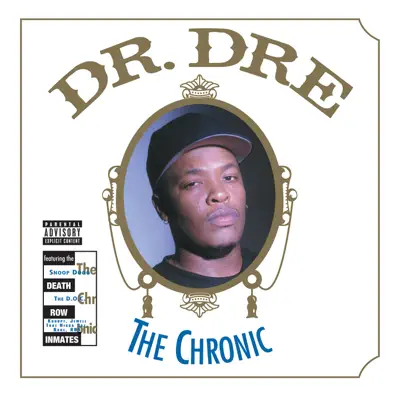
Not only did Dre (born Andre Young in Compton in 1965) help legitimize hip-hop in the cultural imagination, he changed the vocabulary of the music itself. Where early rap was built on breaks—records excerpted and looped by a DJ in real time—Dre’s production on N.W.A.’s Straight Outta Compton (alongside other mid- and late-’80s work by Eric B., Rick Rubin, The Bomb Squad, and others) brought about the era of the sampler, leading to tracks that were denser, harder, and more reference-heavy. By 1992’s The Chronic (and Snoop Dogg’s Doggystyle), he’d moved on to replicating the funk he loved with live instrumentation, drawing a line from ’70s Black American music to a present where its messages of resilience and good times in the face of everything were especially resonant to a country shaken by race riots and sustained indifference toward its Black, urban populations. Listening to The Chronic could make you feel angrier, but it could make you feel tougher, too.
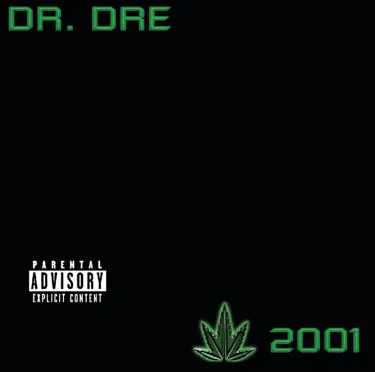
By the time he was 30, Dre was already an elder statesman. Not only did he keep the music coming at his own pace (1999’s 2001, 2015’s Compton), he helped build careers for some of the most significant rappers of their generations, including 50 Cent, Eminem, and Kendrick Lamar. And with the launch of his Beats by Dr. Dre headphones in the late 2000s—and the subsequent sale of the Beats brand to Apple—Dre put himself in the rarified territory of JAY-Z and Kanye West: not just a hip-hop artist, but a businessperson, hustling, working, and taking his cut.
Not only did Dre (born Andre Young in Compton in 1965) help legitimize hip-hop in the cultural imagination, he changed the vocabulary of the music itself. Where early rap was built on breaks—records excerpted and looped by a DJ in real time—Dre’s production on N.W.A.’s Straight Outta Compton (alongside other mid- and late-’80s work by Eric B., Rick Rubin, The Bomb Squad, and others) brought about the era of the sampler, leading to tracks that were denser, harder, and more reference-heavy. By 1992’s The Chronic (and Snoop Dogg’s Doggystyle), he’d moved on to replicating the funk he loved with live instrumentation, drawing a line from ’70s Black American music to a present where its messages of resilience and good times in the face of everything were especially resonant to a country shaken by race riots and sustained indifference toward its Black, urban populations. Listening to The Chronic could make you feel angrier, but it could make you feel tougher, too.
By the time he was 30, Dre was already an elder statesman. Not only did he keep the music coming at his own pace (1999’s 2001, 2015’s Compton), he helped build careers for some of the most significant rappers of their generations, including 50 Cent, Eminem, and Kendrick Lamar. And with the launch of his Beats by Dr. Dre headphones in the late 2000s—and the subsequent sale of the Beats brand to Apple—Dre put himself in the rarified territory of JAY-Z and Kanye West: not just a hip-hop artist, but a businessperson, hustling, working, and taking his cut.
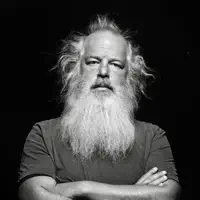
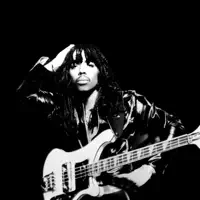
Musikalische EinflüsseZu den musikalischen Einflüssen von Dr. Dre gehören Rick Rubin, Rick James, Parliament und andere.

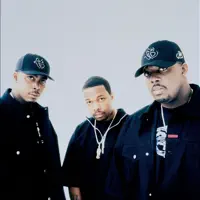


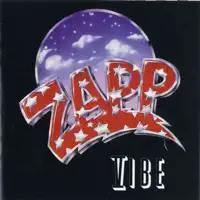
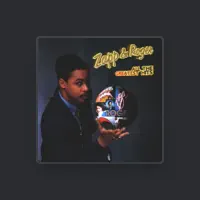
Beeinflusst von Dr. DreDr. Dre hat die Musik von Eminem, DJ Khaled, Wiz Khalifa und anderen beeinflusst.


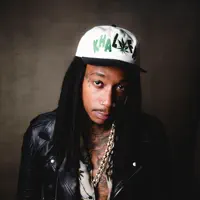


Ähnlich wie: Dr. Dre
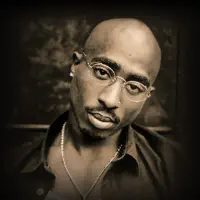
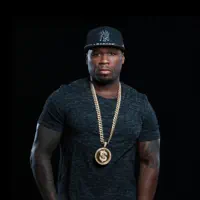
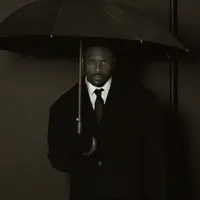
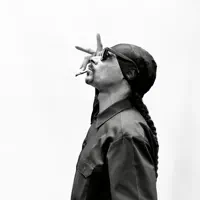
Entdecke mehr Musik und Künstler, die Dr. Dre ähnlich sind, wie Ice Cube, 2Pac, Snoop Dogg