Rock
England
Oasis
49.052.460
Auf Tour



Top-50-Platzierungen in den globalen Charts von ShazamAlle Songs und Kollaborationen von Oasis, die es in die Top 50 der globalen Charts von Shazam geschafft haben
SONG-INFO![Titel-Artwork für den Titel Wonderwall von Oasis]() Oasis erreichte mit „Wonderwall“ Platz 8 der globalen Charts von Shazam und verbrachte 22 Tage in den Top 50.
Oasis erreichte mit „Wonderwall“ Platz 8 der globalen Charts von Shazam und verbrachte 22 Tage in den Top 50.
1Top-50-Einträge

22Tage in den Top 50
SONG
SPITZENPOSITIONTAGE IN DEN TOP 50TOP-50-DEBÜT
Die höchste Platzierung, die ein Song in den globalen Charts von Shazam erreicht hat.
Die Gesamtzahl der Tage, an denen ein Song in den Top 50 der globalen Charts von Shazam war. Diese Tage waren möglicherweise nicht aufeinander folgend.
Das Datum, an dem ein Song zum ersten Mal in die Top 50 der globalen Charts von Shazam einstieg.

Oasis
#8226. Juli 2026
„Wonderwall“ von Oasis erreichte Platz 8 in den globalen Charts von Shazam, wo der Song insgesamt 22 Tag(e) in den Top 50 verbrachte.
Veröffentlicht:
1995Gesamtzahl der Shazams
14 Mio.
Tage in den Top 50
22Die Gesamtzahl der Tage, an denen ein Song in den Top 50 der globalen Charts von Shazam war. Diese Tage waren möglicherweise nicht aufeinander folgend.
Top-50-Debüt
6. Juli 2026„Wonderwall“ von Oasis erreichte Platz 8 in den globalen Charts von Shazam, wo der Song insgesamt 22 Tag(e) in den Top 50 verbrachte.
Veröffentlicht:
1995Gesamtzahl der Shazams
14 Mio.
Tage in den Top 50
22Die Gesamtzahl der Tage, an denen ein Song in den Top 50 der globalen Charts von Shazam war. Diese Tage waren möglicherweise nicht aufeinander folgend.
Top-50-Debüt
6. Juli 2026


Künstler-Playlists




Über Oasis

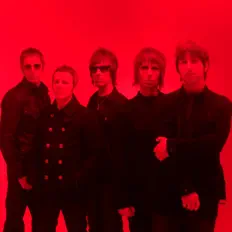
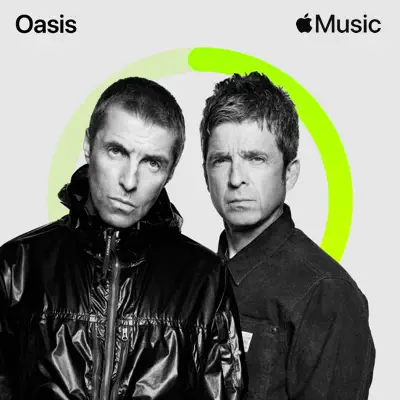
Some groups spend years chasing stardom, and others seem to just instantly will it into existence. The latter was certainly the case with Manchester’s Oasis, who named the first song on their first album “Rock ’n’ Roll Star” as if their fate were preordained. Arriving in the midst of the peak alt-rock era, Oasis’ 1994 debut, Definitely Maybe, was a bird-flipping retort to the navel-gazing angst of grunge, rolling the melodicism of The Beatles, the swagger of T. Rex, the sneer of the Sex Pistols, and the strobe-lit grooves of The Stone Roses into alternately sleazy (“Cigarettes & Alcohol”) and celebratory (“Live Forever”) pint-raising anthems. And it wasn’t just the group’s sound that harkened back to the glory days of British rock—in the simmering tension between the guitarist who wrote all the tunes (Noel Gallagher) and the singer who brought them to life (his braggadocious brother Liam), Oasis came prepackaged with a sibling-rivalry soap opera to rival that of The Kinks.
Definitely Maybe’s No. 1 debut on the UK charts turned Oasis into the ubiquitous bad boys of Britpop, an image they gleefully indulged through their tabloid-baiting pissing matches with London’s Blur, the art-school antithesis of the Gallaghers’ working-class laddism. But with 1995’s follow-up, (What’s the Story) Morning Glory?, Oasis shed the Union Jack trappings to become the only English band of the era to match their domestic success in the US, thanks to karaoke-ready sing-alongs like “Wonderwall” and “Don’t Look Back in Anger.” With more than 20 million copies sold worldwide, Morning Glory effectively turned Oasis into an institution, one that would continue to sell out arenas for years to come (even after 1997’s infamously over-the-top Be Here Now signaled the end of Britpop’s pop-cultural dominance). The Gallaghers’ ever-fraught relationship would sink Oasis in 2009, but the enduring, cross-generational appeal of their most popular songs—with “Wonderwall” ranking among the most-streamed tracks of the ’90s—ensures a legacy that will live forever. In 2024, the Gallaghers announced a 2025 worldwide reunion tour, claiming reconciliation on social media: “The guns have fallen silent. The stars have aligned. The great wait is over.”
Definitely Maybe’s No. 1 debut on the UK charts turned Oasis into the ubiquitous bad boys of Britpop, an image they gleefully indulged through their tabloid-baiting pissing matches with London’s Blur, the art-school antithesis of the Gallaghers’ working-class laddism. But with 1995’s follow-up, (What’s the Story) Morning Glory?, Oasis shed the Union Jack trappings to become the only English band of the era to match their domestic success in the US, thanks to karaoke-ready sing-alongs like “Wonderwall” and “Don’t Look Back in Anger.” With more than 20 million copies sold worldwide, Morning Glory effectively turned Oasis into an institution, one that would continue to sell out arenas for years to come (even after 1997’s infamously over-the-top Be Here Now signaled the end of Britpop’s pop-cultural dominance). The Gallaghers’ ever-fraught relationship would sink Oasis in 2009, but the enduring, cross-generational appeal of their most popular songs—with “Wonderwall” ranking among the most-streamed tracks of the ’90s—ensures a legacy that will live forever. In 2024, the Gallaghers announced a 2025 worldwide reunion tour, claiming reconciliation on social media: “The guns have fallen silent. The stars have aligned. The great wait is over.”
Beeinflusst von OasisOasis hat die Musik von Kastra, Easy Weeds, Chris Phillips und anderen beeinflusst.










Ähnlich wie: Oasis
Entdecke mehr Musik und Künstler, die Oasis ähnlich sind, wie Liam Gallagher, Noel Gallagher's High Flying Birds, Beady Eye