Classical
Italy
Ruggero Leoncavallo
Canciones más populares de Ruggero Leoncavallo


Más álbumes de Ruggero Leoncavallo












Acerca de Ruggero Leoncavallo

Ciudad natal
Naples, Italy
Nacido en
1857
Género
Classical
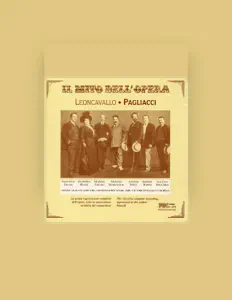
The author of some 20 operas and operettas, Leoncavallo wasn’t idle. But he’s usually remembered now for just the one, 1892's Pagliacci (meaning “clowns"), a short-duration but high-impact story of betrayal, jealousy, and death that’s almost always paired onstage with a similar piece, Mascagni’s Cavalleria rusticana (1890). Between them, they define the operatic form known as verismo: low-life drama, realistically depicted and emotionally charged. Born in 1857 in Naples, Ruggero Leoncavallo studied literature, wrote his own libretti, and supposedly based Pagliacci on a crime passionnel tried by his father, a local judge. As a librettist he also collaborated with Puccini on the latter’s Manon Lescaut (1893) and threw himself into competition with his great rival when the two composers worked on versions of the same piece at the same time, La Bohème. Puccini’s (1896) flourished while Leoncavallo’s (1897) didn’t, though he managed some success with Zazà (1900) and made money from early gramophone recordings of his music by Caruso—including the popular song Mattinata (1904). In attendance at his 1919 funeral were both Puccini and Mascagni. There’d be no escape from those connections.
Similares a: Ruggero Leoncavallo
Descubre más música y artistas parecidos a Ruggero Leoncavallo, como ZUTOMAYO, Francesco Cigada, Nello Santi