

Kilimanjaro
1,430
Jazz
Kilimanjaro was released on January 1, 1971 by Ace Records as a part of the album Afrique
Melodicness
How much the song possesses a clear and memorable tune that follows well-defined musical patterns. A song high in melodicness generally features clear and memorable instrumental or vocal lines.
Acousticness
A measure of how much a song relies on acoustic instruments (eg. piano, guitar, violin, drums, saxophone) instead of electronic or digitally synthesized
Valence
The musical positivity or emotional tone conveyed through the song's harmonic and rhythmic components. High valence corresponds to feelings of happiness, excitement, and euphoria while low valence is associated with sadness, anger, or melancholy.
Danceability
A combination of factors including tempo stability, rhythmic patterns, and beat emphasis to determine how suitable a song is for dancing. A "danceable" song may feature a consistent tempo, repetitive musical structure, and strong downbeats.
Energy
The perceived intensity of a track which may be influenced by tempo, dynamics, and musical compactness. A high energy song may have a driving rhythm and dense instrumentation while a low energy song can be musically sparse and feature slower tempos.
BPM136
Music Video
Music Video
Credits
PERFORMING ARTISTS
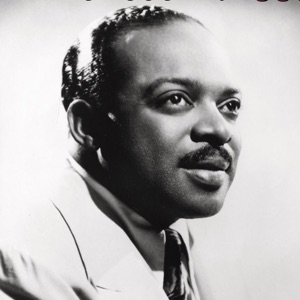
Count Basie
Piano

Count Basie and His Orchestra
Performer

Bill Adkins
Saxophone

Bill Hughes
Trombone

Bobby Plater
Saxophone

Cecil Payne
Saxophone

Eddie "Lockjaw" Davis
Saxophone
Eric Dixon
Saxophone

Freddy Green
Guitar

George Cohn
Trumpet

Harold Jones
Drums

Hubert Laws
Flute

John B. Williams
Electric Bass Guitar
John Watson
Trombone

Melvin Wanzo
Trombone

Paul Cohen
Trumpet

Pete Minger
Trumpet

Richard "Pablo" Landrum
Congas

Sonny Morgan
Bongos

Steven Galloway
Trombone

Waymon L. Reed
Trumpet
COMPOSITION & LYRICS

Oliver Nelson
Songwriter


![Listen to Splanky (Remix) [1994 Remaster] by Count Basie, see lyrics, music video & more!](https://is1-ssl.mzstatic.com/image/thumb/Music124/v4/e0/91/48/e0914807-e319-bbde-9dcb-33d54a2ffadc/0724382863557_1401x1401_300dpi.jpg/375x375bb.webp "Listen to Splanky (Remix) [1994 Remaster] by Count Basie, see lyrics, music video & more!")


