Cheating, Lying, Stealing
1,214
Classical
Cheating, Lying, Stealing was released on October 15, 2002 by Cantaloupe Music as a part of the album Bang on Can Classics
Melodicness
How much the song possesses a clear and memorable tune that follows well-defined musical patterns. A song high in melodicness generally features clear and memorable instrumental or vocal lines.
Acousticness
A measure of how much a song relies on acoustic instruments (eg. piano, guitar, violin, drums, saxophone) instead of electronic or digitally synthesized
Valence
The musical positivity or emotional tone conveyed through the song's harmonic and rhythmic components. High valence corresponds to feelings of happiness, excitement, and euphoria while low valence is associated with sadness, anger, or melancholy.
Danceability
A combination of factors including tempo stability, rhythmic patterns, and beat emphasis to determine how suitable a song is for dancing. A "danceable" song may feature a consistent tempo, repetitive musical structure, and strong downbeats.
Energy
The perceived intensity of a track which may be influenced by tempo, dynamics, and musical compactness. A high energy song may have a driving rhythm and dense instrumentation while a low energy song can be musically sparse and feature slower tempos.
BPM58
Music Video
Music Video
Credits
PERFORMING ARTISTS
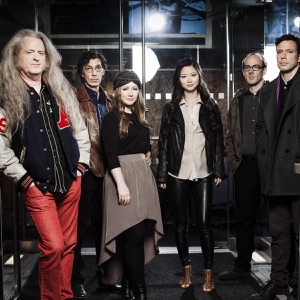
Bang on a Can All-Stars
Ensemble

Lawson White
Performer
COMPOSITION & LYRICS

David Lang
Composer
PRODUCTION & ENGINEERING
David Lang
Executive Producer

Alec Hanley Bemis
Creative Director

Andy Grassi
Assistant Engineer

Carl Nappa
Assistant Engineer

Charles Harbutt
Mastering Engineer

Ellen Fitton
Editing Engineer

Grace Kristopher Row
Producer

Greenberg Kingsley
Graphic Design, Creative Director

Julia Wolfe
Executive Producer

Kenny Savelson
Executive Producer
Lawson White
Mixing Engineer, Mastering Engineer

Martyn Harry
Executive Producer

Michael Zev Gordon
Executive Producer

Peter Serling
Photography

Richard King
Engineer

Zack Bent
Graphic Design