旋律性
歌曲的曲调是否清晰易记,是否遵循了明确的音乐模式。旋律性强的歌曲一般具有清晰、令人难忘的器乐或声线。
不插电
衡量一首歌曲对不插电乐器(例如钢琴、吉他、小提琴、鼓、萨克斯)而非电子或数字合成的依赖程度
Valence
通过歌曲的和声和节奏成分,传达的音乐积极性或情感基调。高情感值与幸福、兴奋和愉悦的感觉相对应,而低情感值则与悲伤、愤怒或忧郁有关。
舞蹈性
综合各种因素,包括节奏的稳定性、节奏模式和节拍重点,来确定一首歌曲是否适合跳舞。一首“适合跳舞”的歌曲可能具有稳定的节奏、重复的音乐结构和强烈的重拍。
能量
曲目的感知强度,可能受节奏、动态和音乐紧凑程度的影响。一首高能量的歌曲可能节奏欢快、乐器编配丰富,而一首低能量的歌曲则可能音乐编配简洁、节奏较慢。
BPM140
制作
出演艺人
Kamasi Washington
次中音萨克斯管
Brandon Coleman
管风琴
Cameron Graves
钢琴
Dwight Trible
声乐
Miles Mosley
低音提琴
Patrice Quinn
声乐
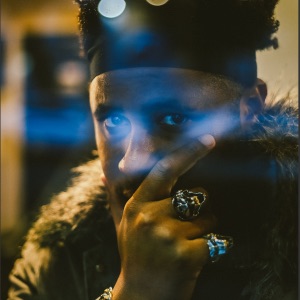
Ronald Bruner, Jr.
鼓
Ryan Porter
长号
Tony Austin
鼓
作曲和作词
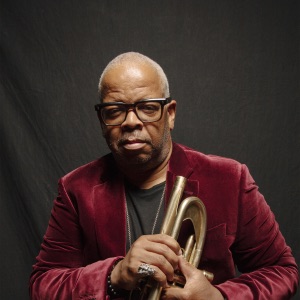
泰伦斯・布兰查德
作曲家
奥西·戴维斯
作词
Kamasi Washington
编曲
Patrice Quinn
声乐改编
制作和工程
Kamasi Washington
制作人
Benjamin Tierney
混音工程师
Carson Lehman
助理工程师
Conrad Leon
助理工程师
David Lee
助理工程师
Julie Everson
助理工程师
Kevin "Daddy Kev" Moo
母带工程师
Stephen Marcussen
母带工程师
Tony Austin
工程师
Tyler Shields
助理工程师
歌词
[Verse 1]
Here in this final hour
We come to bid farewell
To one of our brightest hopes
Extinguished long ago
[Verse 2]
A man has memory of a champion
What brave and gallant and he
Who lies before us
Unconquered still
Honor, pride, and love
[Verse 3]
Afro-American, was Malcolm
A master of words was he
To weave me through so long ago
He wrote no more, it's true
[Verse 4]
I say, again, Afro-American
As he would want me to
To those who tell us
To free his memory
We smile and say to you
[Verse 5]
I say, again, Afro-American
As he would want me to
To those who tell us
To flee his memory
We smile and say to you
[Verse 6]
Have you ever talked to
Brother Malcolm?
Or have him smile at you?
Do you ever really listen?
If so, you know this too
[Verse 7]
Malcolm, was a man too
A living black man too
For this, we honor him
[Verse 8]
And so we honor
The best in ourselves
The gift he gave us all
[Verse 9]
Oh yeah, yeah, yeah, yeah
Oh yeah, yeah, now brother
You loved me so
[Verse 10]
We leave you now with words from
el-Hajj Malik el-Shabazz
[Verse 11]
Before I get involved in anything, nowadays, I have to straighten out my position
And which is clear, I am not a racist, in any form whatsoever
I don't believe in any form of racism, I don't believe in any form of discrimination or segregation
I believe in Islam, I'm a Muslim
And there's nothing wrong with being a, being a Muslim
Nothing wrong with the religion of Islam
It just us to believe in Allah, as the God
And those of you who are Christians, probably believe in the same God
Because I think you believe in the God that created the universe
And that's the One we believe in, the One who created the universe
The only difference being, you call him God
And, and I—, we call him Allah, Jews call him Jehovah
If you can understand Hebrew, you'd probably call him Jehovah too
If you can understand Arabic, you'd probably call him Allah
But since the white man, your friend
Took your language away from you, during slavery
The only language you know is his language, you know, your friend's language
So you call him—, you call upon the same God he calls for
When he's putting a rope around your neck, you call for God and he calls for God
But the real religion of Islam doesn't teach anyone to judge another human being by the color of his skin
The odd statement is used by the Muslim to—, uh
Measure another man, is not the man's color, but the man's deeds
The man's conscience behavior, the man's intention
And when you use that as, uh, standard of measurement, or judgement
You never go wrong
[Verse 12]
No more a man, but a seed
Which will come forth again
We'll know him as a prince
Our own black shining prince who died
Because He loved us so
Written by: Ossie Davis, Terence Blanchard